
Getting to Know...
By Roman Jimenez
Welcome to our “Getting To Know” series, where we explore the people and leagues throughout the iPride movement. In this series we are working to tell “The iPride Story” — the story of where we came from, and who we came from. This effort has a few purposes: To honor our past while giving context to our present, and to help us recognize our collective path forward. In this series we will learn about how leagues got started, and share the stories of the people who were there and the legacies they’ve left behind. Occasionally we will also share the stories of individual players from across the organization, young people are fresh to queer and inclusive softball, as well as our legendary players, the folks on whose shoulders the foundations for this movement have rested. We believe that by telling all these stories, we will be telling “our” stories.
Getting to Know...Your City

Memphis
Initially the idea was to start a team of queer folks who would play in the city-run straight leagues. After a few weeks of “recruitment,” that included bar outreach, word-of-mouth, and impactful help from the local queer publication “The Triangle Journal,” Saylor said they had a practice with just under 20 people.

Minneapolis
The Twin Cities Goodtime Softball League (TCGSL) officially started in January of 1980 with four teams. Three months later they became the seventh official member of an upstart North American softball movement called NAGAAA. In the 45 years since then, all they’ve done is host the Gay Softball World Series twice, and grow to be the largest queer softball league in North America and, probably, the world.
Getting to Know...People
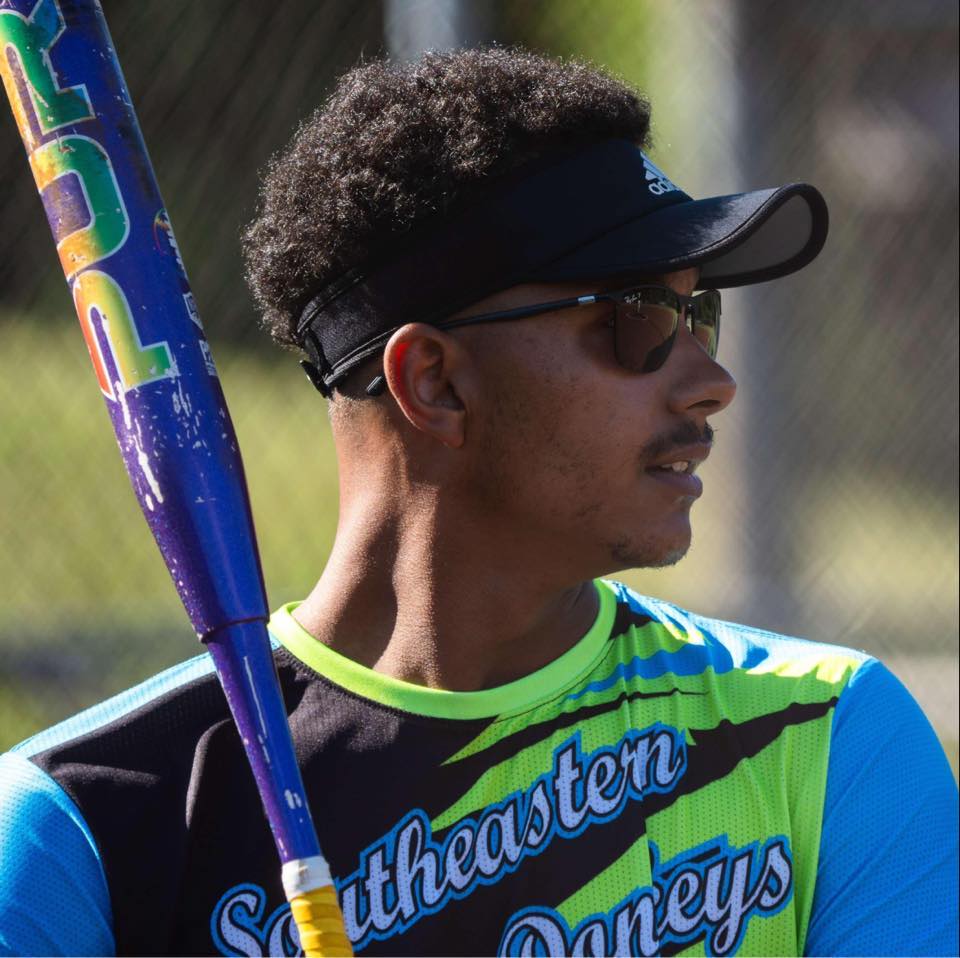
Arkell Wilson
Arkell Wilson came to Nashville from a small town just about 45 minutes away. He was 18 and wanted more work opportunities, and maybe a taste of life in a bigger city. He was gay, but he hadn’t really told many people yet, and certainly not anybody in his family.
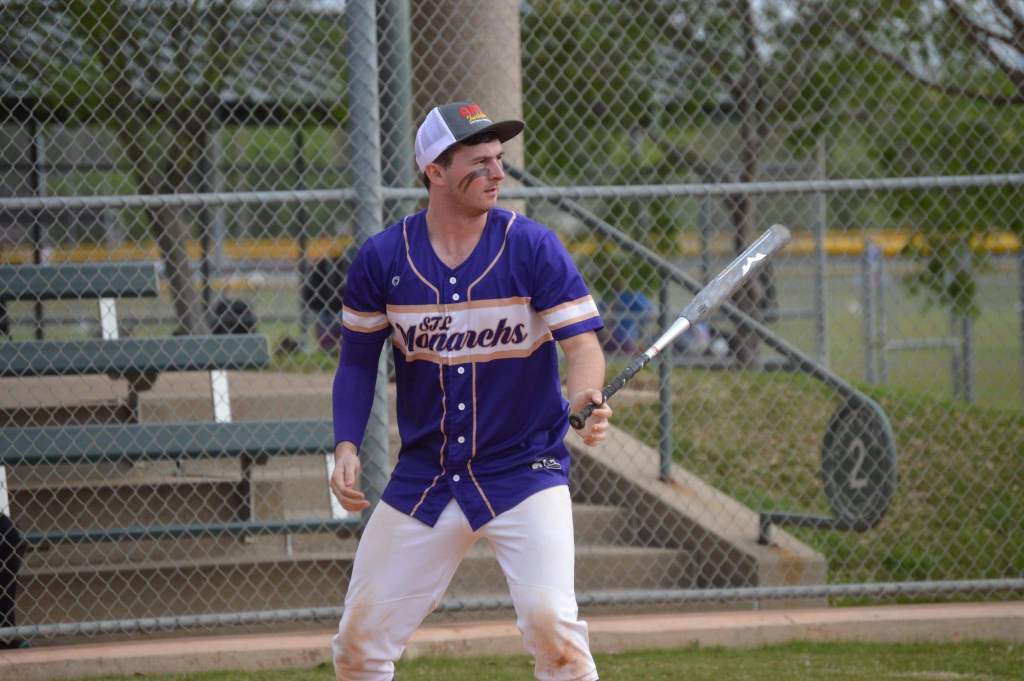
Christopher Haley
Chris had always been an athletic kid. He grew up playing baseball and hockey, and had plans of continuing well into adulthood, but somewhere around middle school, Chris was diagnosed with Kawasaki’s Disease, which affects the blood vessels that supply the heart. At that point, contact sports were out of the question.
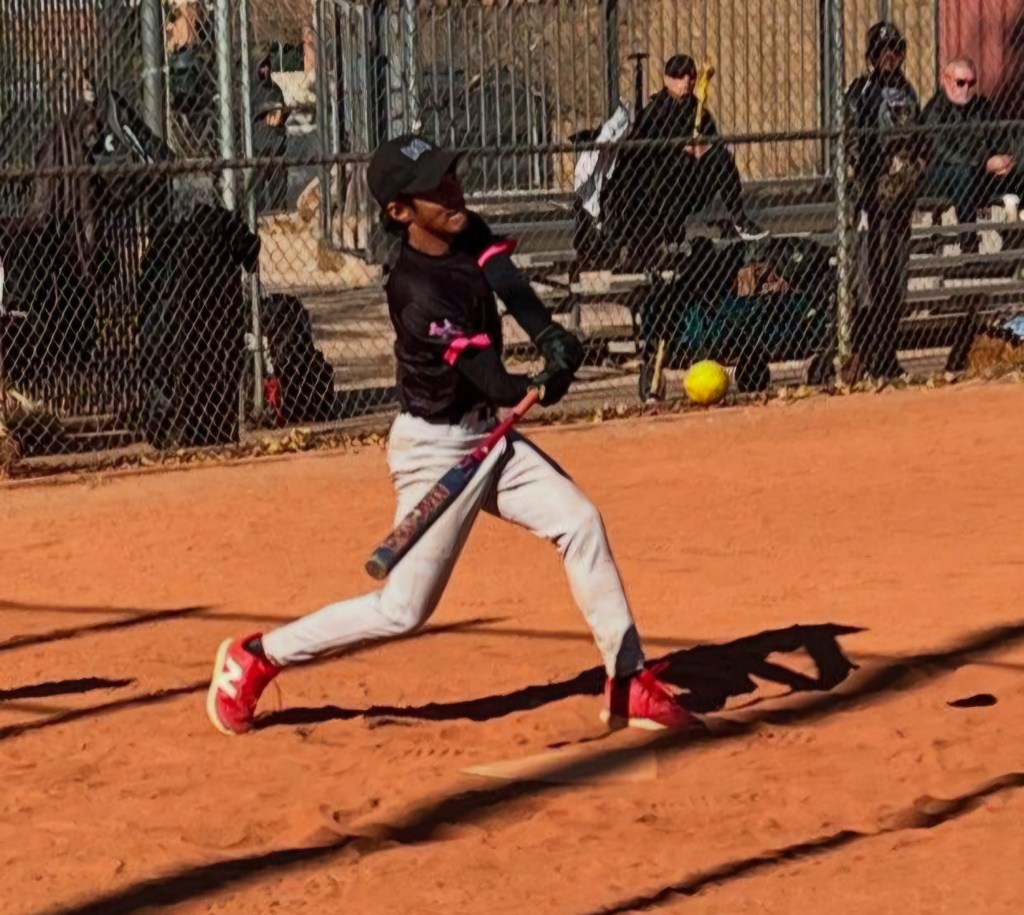
Ray Omne
Ray Omne moved from the Philippines to San Francisco with his mom when he was already 16 years old. He didn’t want to be here. He didn’t know anyone, and he didn’t really speak the language. So, when he came over, he not only had to learn English, he also had to figure out what being gay looked like for him.

Jedidiah Wolke
It is not overstating to say that Jed found his gay family when he first laced up his cleats for his first ever gay softball games in the Fall of 2022. It was for a team called “Aye, No” in the Greater Los Angeles Softball Association (GLASA). Before then, he assumed the only gay people who played sports were the anomalies one hears about when they publicly come out. He never dreamed there were entire leagues by and for the community.

Rae Wilde
Rae Wilde is a 29-year-old nonbinary outfielder who plays in the Twin Cities Goodtime Softball League (TCGSL) out of Minneapolis.
Literally everything about that last sentence represents several steps of a long journey of progress, one that has involved not only their identity, but also location, and for the past seven years, learning to live with a disability.
In 2020 Rae packed up their car and moved from New Jersey to Denver. It was a pandemic-inspired move to live new experiences. It worked out. It was while in Colorado that Rae lived as a lesbian. “I made for a beautiful girl,” they said. “But that all felt so performative, and not really me.

Jaguer Romero
Jaguer (pron: Jagger) Romero is in love with queer softball. Just talk to him, and you’ll hear what I mean. If you do, you’ll also learn that it was pretty much love at first sight. That was about nine years ago, and since then, he has progressed up the ranks from C, to B, to now A in iPride Softball. He is a founding member of Dream Skittles, along with good friends Dillon Arceneaux and coach Josh Cherry.
But to understand how he got here, you have to kind of start at the beginning.

Vincent Fuqua
Mother Theresa once said “I alone cannot change the world, but I can cast a stone across the water to create many ripples.”
While no one would confuse San Francisco Gay Softball League (SFGSL) Commissioner Vincent Fuqua with Mother Theresa (Vincent is way taller), the ripples of lives impacted by the Black, African-American, Gay man in San Francisco are many.
Fuqua grew up in a neighborhood in Southern California that most people don’t want to spend any time in.
“There were a lot of gangs, a lot of drugs, a lot of violence,” he said. So naturally, he hid his sexuality. “There was no way in heck I was going to be able to come out in the neighborhood I was in. It was not a safe place.”
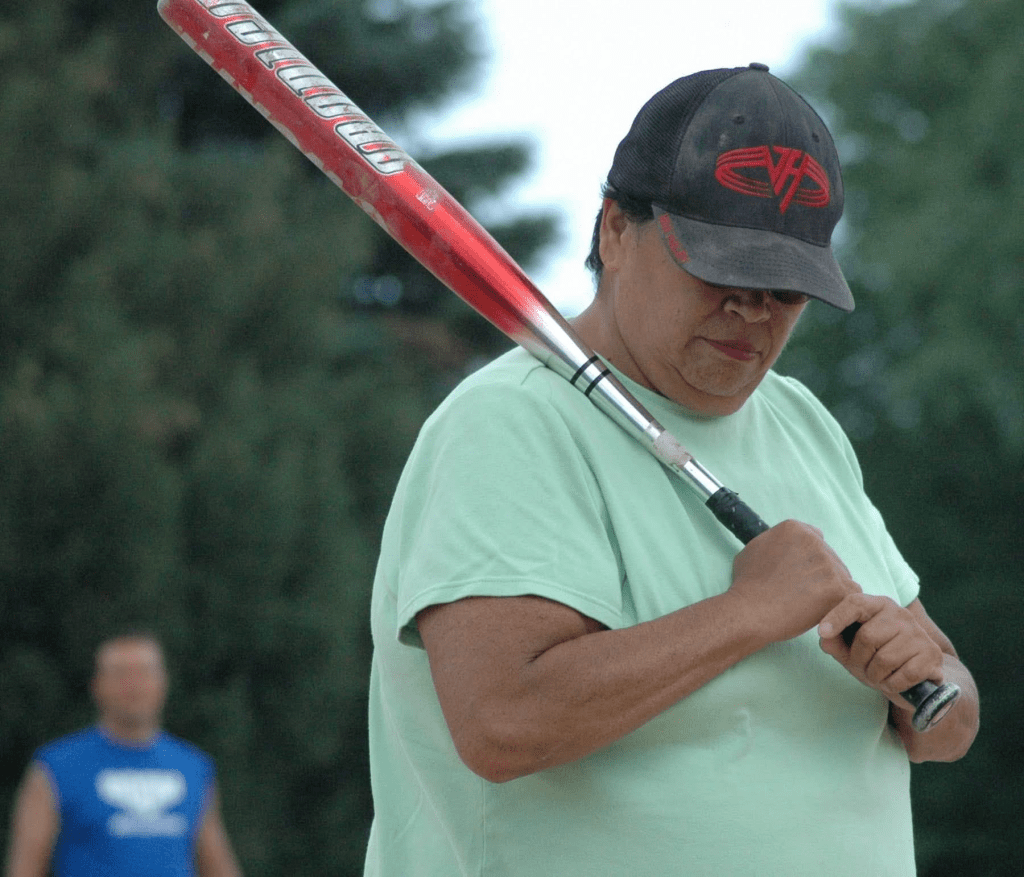
Mona Garcia
There are allies to our community, and then there is Milwaukee’s Best, Mona Garcia.
The 74-year-old straight woman of Mexican ancestry may seem like an unlikely person to be one of the staunchest allies of the queer softball movement, but when you know her history, it’s hard to imagine her being anything else.
That’s because she’s no stranger to being judged and excluded simply because of who she is.
“I grew up in the 1950s and I remembered our neighbors were boycotting the local bank. The bank was going to give a loan to my parents so they could buy a house,” Garcia said. “The neighbors didn’t want Mexicans in their neighborhood.”
But Redlining wasn’t where the discrimination stopped for her family.
“We couldn’t go to certain restaurants. We weren’t allowed to use the public pools or even the bathrooms,” she said. “I lived through that. I experienced that.”

Frank Pichinini
Frank Pichinini isn’t just a queer softball legend — he practically invented the concept.
No, literally. In 2009 he first petitioned the national leadership to create a division of play exclusively for those who were 50 and above. After two years of long conference calls and heavy debate, what we now know as the Legends Division was born.
“I knew there were a lot of people who wanted to continue to be able to play but couldn’t necessarily play on really competitive teams like they used to,” the NAGAAA Hall of Famer said. Creating the division aligned with similar rules USA Softball had already adopted and Pichinini said “I felt like it was time for us to do that, too.”

Richard “Rosie” Jimenez
There’s no One Way signs on the road to coming out. For some, the journeys have perilous curves, sudden U-turns, and even forks that lead down diverging roads. Thirty-five years ago, Richard “Rosie Jimenez came to a fork in his road to self-acceptance, and he chose to go left. To quote Robert Frost, “that has made all the difference.”
Jimenez grew up in the rough Compton neighborhood, full of machismo and an almost automatic mistreatment of queer people.
“I would see how the Trans girls would get treated in my neighborhood,” Jimenez said. “They would get beaten up. The guys would throw bottles at them. I didn’t really know what being gay was all about, but I knew I didn’t want anyone to know about me, if that’s how I was going to be treated.”
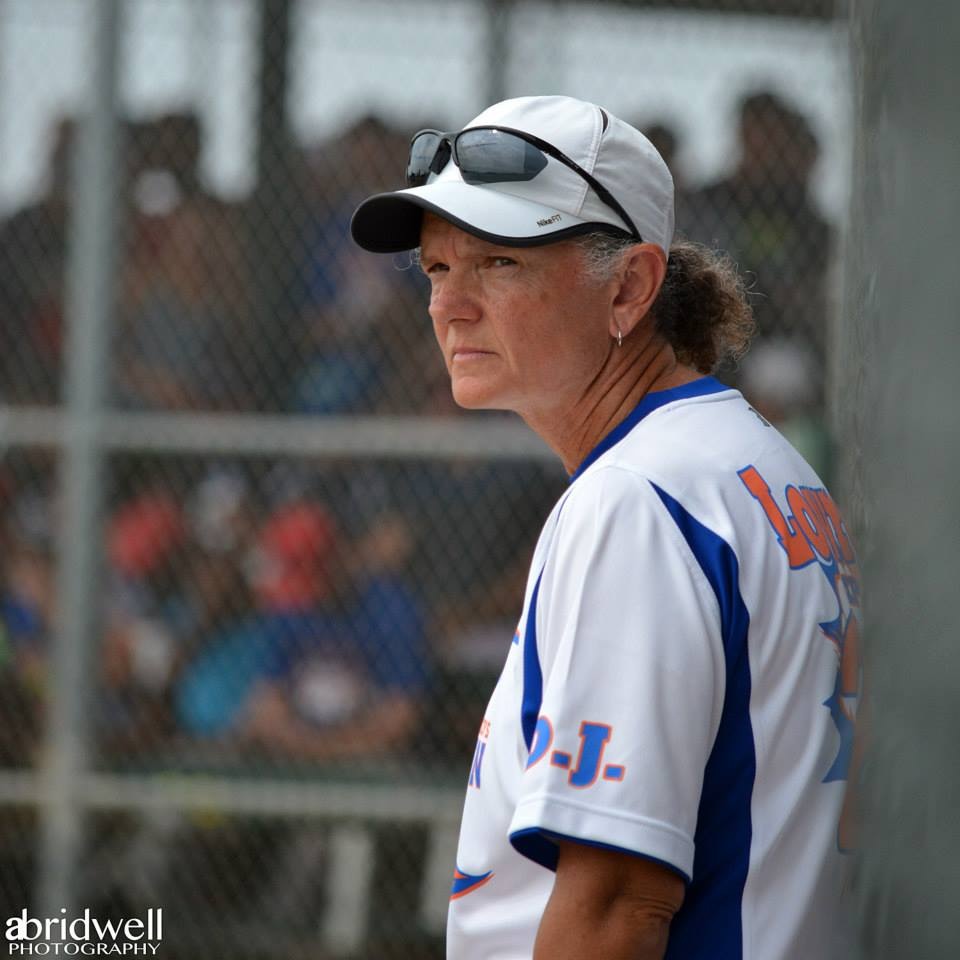
Debra Jean Lowrey
There isn’t much Debra Jean Lowrey hasn’t done on a softball field.
She’s played, she’s coached, she’s umpired, she been on a few boards, she’s volunteered for countless committees, she’s sold tournament swag, and, given that her girlfriends have all come from the softball community, she’s probably even fallen in love — all while being a constant presence on the field since she was about 15 years old and knowing she wasn’t like a lot of the other girls her age.
“I knew then I was different,” Lowrey said. “I kept fighting it because I knew it wasn’t what I was supposed to be feeling.” At about 16 she started hanging out with the older girls playing softball. “I always played with older women. They were grown, and I was a teenager.” Lowrey said it’s where she felt at home, at her most comfortable.

David Waite
“When I was 21, I wanted to find a place where I belonged,” said Waite. “So I did some research here in Portland and found the gay softball league called Rose City Softball Association (RCSA).”
That was 2002. Since then, Waite would play, coach, and umpire, in his home league and just about everywhere else in the country.
In 2006 he would join the league’s board of directors as Secretary. Before long, he would transfer over to the role of Treasurer, a position he still holds. In 2010, he would stop playing and switch to managing and umpiring.